
Transform Your Home Inside and Out Expert Tips from Window Suppliers to Custom Decks, Pergolas, Pools, and Kitchen Upgrades
Introduction
Maintaining and improving a home requires a thoughtful approach that balances interior functionality with exterior aesthetics. From enhancing natural light to creating inviting outdoor spaces, a well-planned home upgrade strategy increases comfort, usability, and long-term property value. Many homeowners underestimate the impact that coordinated interior and exterior improvements can have on overall satisfaction, energy efficiency, and enjoyment of living spaces. By addressing each area strategically and leveraging professional expertise, you can achieve lasting results that are both practical and visually appealing. This guide offers detailed tips, actionable strategies, and insights to help you transform your home inside and out, from windows and kitchens to decks, pools, and landscaping.
A comprehensive approach starts with careful planning. Consider how indoor and outdoor areas connect and how upgrades in one space can influence another. For example, large, energy-efficient windows not only brighten living areas but also improve the experience of adjacent decks or patios by creating a visual connection with the outdoors. Similarly, a well-placed louvered roof pergola can extend living space into the garden, providing both shade and an architectural focal point. Coordinating these improvements with other systems—like HVAC efficiency, water features, and structural enhancements—ensures each investment contributes to overall comfort, durability, and visual cohesion. In addition to aesthetics, thoughtful upgrades reduce maintenance burdens, prevent premature wear, and promote long-term energy savings.
Maximize Natural Light and Energy Efficiency
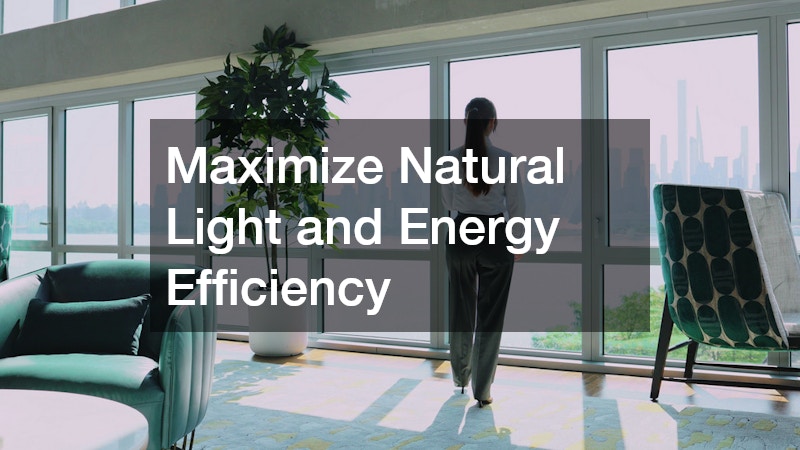
Selecting the right windows significantly impacts energy consumption, comfort, and the overall feel of your home. Properly installed, energy-efficient windows can reduce heating and cooling costs, improve indoor air quality, and allow more natural light to brighten spaces. Working with experienced window suppliers ensures you choose products that meet performance, style, and durability requirements.
Key Considerations for Window Upgrades
- Determine the optimal placement for light, ventilation, and view. Consider sun exposure, privacy needs, and potential glare in living spaces.
- Choose materials such as vinyl, wood, aluminum, or fiberglass for long-term durability. Each offers unique benefits in terms of insulation, maintenance, and appearance.
- Select glass types to improve insulation, reduce UV exposure, and enhance soundproofing. Double- or triple-pane options with low-emissivity coatings are particularly effective.
- Ensure accurate measurements for a proper fit and reduced energy loss. Improperly sized windows can cause drafts, reduce efficiency, and lead to costly adjustments.
Maintenance Tips
- Regularly clean frames and inspect seals to maintain appearance and performance.
- Check for leaks, cracks, or condensation between panes, which can indicate a compromised seal.
- Schedule occasional professional servicing to maintain efficiency and appearance, including adjustments to opening mechanisms or weatherstripping.
- Consider window treatments such as solar shades or blinds that complement energy efficiency and light control.
Enhancing natural light and efficiency not only improves comfort but also positively affects mood, productivity, and the overall ambiance of your home. Well-chosen windows from trusted window suppliers are an investment that pays dividends in utility savings, reduced maintenance, and long-term property value.
Enhance Outdoor Living with Custom Decks and Pergolas
Outdoor living spaces add both functionality and aesthetic value to any property. A well-designed deck provides a place for entertaining, relaxation, or family gatherings, while structural additions like louvered roof pergolas enhance comfort and usability by offering shade, ventilation, and protection from the elements. Proper integration of decks and pergolas creates versatile spaces that can be enjoyed in a variety of weather conditions.
Planning and Maintenance Tips
- Choose durable materials such as treated wood, composite, or synthetic decking to ensure longevity and low maintenance. Consider environmental factors such as moisture exposure, UV intensity, and foot traffic.
- Plan deck layouts to accommodate activities, furniture, and safe circulation. Include multi-level sections or built-in seating to optimize space.
- Install louvered roof pergolas with adjustable panels to control sunlight and airflow. Automated options allow users to open or close louvers based on sun intensity or rainfall.
- Apply protective coatings to prevent rot, warping, fading, or insect damage. Reapply sealants or stains according to manufacturer recommendations, typically every 2–3 years.
- Schedule periodic inspections for loose fasteners, water damage, or structural wear. Address minor repairs promptly to avoid larger, costly issues.
Additional design elements enhance both aesthetics and function: integrating built-in planters, outdoor lighting, and railings improves safety and visual appeal. Landscaping around decks and pergolas can provide natural privacy screens, reduce wind exposure, and create a seamless flow between yard and patio areas. Furthermore, coordinating deck materials with interior finishes or window frames reinforces a cohesive design theme, bridging indoor and outdoor living.
Properly designed and maintained outdoor areas increase property value, provide flexible entertainment spaces, and enhance year-round usability. By combining smart planning, durable materials, and routine upkeep, homeowners can create inviting, practical, and visually appealing outdoor living environments that complement the home’s overall design.
Design a Functional and Safe Pool Area
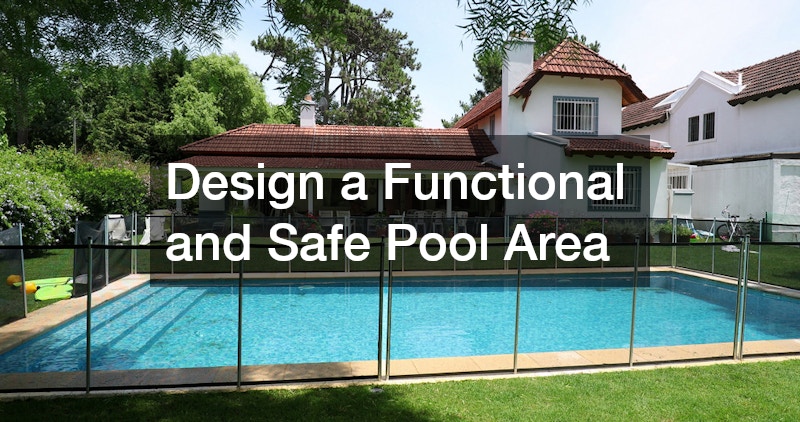
Adding a pool is a significant investment that requires careful planning, professional installation, and ongoing maintenance. Working with a qualified pool contractor or inground pool installer ensures your pool is built to code, operates safely, and integrates seamlessly with your outdoor environment.
Pool Planning Considerations
- Select a pool size, shape, and depth suitable for your space and family needs.
- Plan circulation, filtration, and safety systems to maintain water quality.
- Schedule regular maintenance to clean debris, test chemicals, and monitor equipment.
- Design surrounding areas with non-slip surfaces, lighting, and seating for safety and comfort.
Preventive maintenance extends pool lifespan and reduces costly repairs. Keeping detailed logs of water chemistry, pump inspections, and seasonal adjustments ensures consistent performance and safety.
Boost Curb Appeal with Landscaping and Tree Care
Thoughtful landscaping improves aesthetics and property functionality. Strategic plant selection, proper soil preparation, and planned layouts enhance beauty while reducing maintenance requirements. Partnering with a tree care company ensures proper pruning, removal, and maintenance to protect your investment and surrounding structures.
Landscaping and Tree Care Best Practices
- Select plants suited to local climate, soil type, and sunlight conditions.
- Install proper irrigation to maintain plant health and reduce water waste.
- Prune trees regularly to maintain shape, promote growth, and prevent hazards.
- Remove diseased or unstable trees to protect property.
- Combine landscaping with decks and pools for cohesive design.
Well-maintained landscaping increases property value and creates inviting spaces for outdoor activities and relaxation.
Optimize Interior Storage with Closet Organization
Efficient storage solutions reduce clutter, improve accessibility, and enhance functionality. Customized closet organizers provide tailored storage that maximizes vertical space, accommodates various items, and maintains a neat, organized appearance.
Tips for Effective Closet Systems
- Evaluate storage needs and identify high-use areas.
- Choose adjustable shelving, rods, and compartments.
- Incorporate drawers, baskets, and hooks for smaller items.
- Maintain organized spaces through seasonal decluttering and labeling.
- Integrate design elements to match room aesthetics while optimizing functionality.
Organized storage improves daily efficiency, reduces stress, and creates visually appealing, functional spaces.
Upgrade Kitchen Functionality and Style

Kitchens are central to home life, making upgrades both practical and transformative. Custom kitchen cabinets allow for tailored storage and optimized workflows, while new countertops improve durability, maintenance, and visual appeal. Proper planning ensures these upgrades meet both functional and aesthetic goals.
Kitchen Upgrade Strategies
- Design layouts that optimize workflow between sink, stove, and refrigerator.
- Select durable cabinet materials and finishes resistant to moisture and heat.
- Choose countertops based on durability, maintenance, and style.
- Coordinate cabinets and countertops with appliances, lighting, and hardware.
- Incorporate features such as pull-out shelves, lazy Susans, and built-in organizers.
Regular maintenance of cabinets and countertops extends lifespan and keeps the kitchen efficient, clean, and appealing.
Maintain Exterior Surfaces with Pressure Washing
Routine cleaning of exterior surfaces preserves aesthetics and prevents long-term damage. Pressure washing services remove dirt, algae, and mildew from decks, driveways, siding, and patios, restoring curb appeal while protecting structural integrity. Regular pressure washing not only improves the visual appeal of your home but also helps detect early signs of wear and damage that might otherwise go unnoticed. Over time, accumulated grime and biological growth like mold or algae can deteriorate surfaces, causing discoloration, erosion, or slippery areas that pose safety risks.
Pressure Washing Best Practices
- Identify surfaces suitable for pressure washing to prevent damage. Different materials, such as vinyl, brick, wood, or concrete, require different pressure settings to avoid cracking or stripping finishes.
- Use professional services for delicate or hard-to-reach areas. Skilled technicians have specialized equipment and know the proper cleaning solutions to remove grime without harming surfaces.
- Schedule seasonal cleanings to remove accumulated grime. Spring and fall are ideal, after harsh winter weather or summer heat, to maintain appearance and structural integrity.
- Combine pressure washing with inspections for underlying issues like cracks, rot, or water infiltration. This allows for early intervention before minor problems turn into costly repairs.
- Protect surrounding plants and landscaping by covering sensitive areas and using environmentally safe detergents.
Additional strategies include applying protective sealants to driveways and wooden decks after cleaning to prolong surface life. Incorporating pressure washing into a broader exterior maintenance plan helps maintain property value, ensures safety, and keeps your home or commercial space inviting year-round.
Protect Structural Integrity with Roof and Fence Maintenance
Roofs and fences are essential for property protection and aesthetics. A roofing company can identify early issues such as missing shingles, leaks, or structural weaknesses. Meanwhile, a wooden fence company can ensure durable installation, proper maintenance, and repair of perimeter structures. Regular attention to these elements prevents weather-related damage, maintains security, and enhances curb appeal.
Roof and Fence Maintenance Tips
- Inspect roofs for signs of wear, damage, or moisture intrusion. Look for curled, cracked, or missing shingles, sagging sections, and signs of mold or water penetration.
- Clean gutters and downspouts for proper drainage. Blockages can lead to water backup, ice dams in winter, or foundation issues.
- Treat wooden fences with sealants or stain to prevent rot, insect infestations, and sun damage. Reapply protective coatings every few years to maintain longevity.
- Replace damaged panels promptly to maintain security, aesthetic appeal, and structural integrity.
- Trim trees and shrubs around roofs and fences to prevent damage from falling branches or invasive roots.
- Schedule professional inspections annually to identify issues that are not visible to the untrained eye, such as hidden leaks or weakened support structures.
Consistent care of these critical structures helps avoid costly replacements, ensures safety, and preserves the overall aesthetic of your property.
Integrate Improvements for Cohesion and Efficiency
Coordinating upgrades across interior and exterior spaces ensures functionality, efficiency, and aesthetic harmony. Aligning materials, colors, and layouts creates a seamless transition between rooms and outdoor areas, enhancing usability and overall satisfaction. Integration allows homeowners to maximize the impact of renovations while minimizing mismatched design elements or wasted resources.
Integration Tips
- Select complementary color palettes and materials between indoor and outdoor spaces. For example, matching deck wood tones with interior flooring or coordinating pergola shades with window frames creates a unified look.
- Coordinate renovations with contractors to minimize disruption. Schedule sequential or simultaneous projects strategically to reduce downtime and maximize efficiency.
- Prioritize improvements based on budget, urgency, and seasonal considerations. Address weather-exposed areas like roofing or decks before interior renovations to prevent post-upgrade damage.
- Maintain open communication among professionals managing different project aspects. This ensures consistency in design, functionality, and structural standards.
- Consider energy efficiency and sustainability when integrating upgrades. Using energy-efficient windows, insulated cabinetry, or solar-compatible pergolas can reduce utility costs and environmental impact.
A unified approach ensures upgrades complement one another, providing cohesive aesthetics, optimized performance, and long-term satisfaction.
Develop a Preventive Maintenance Schedule
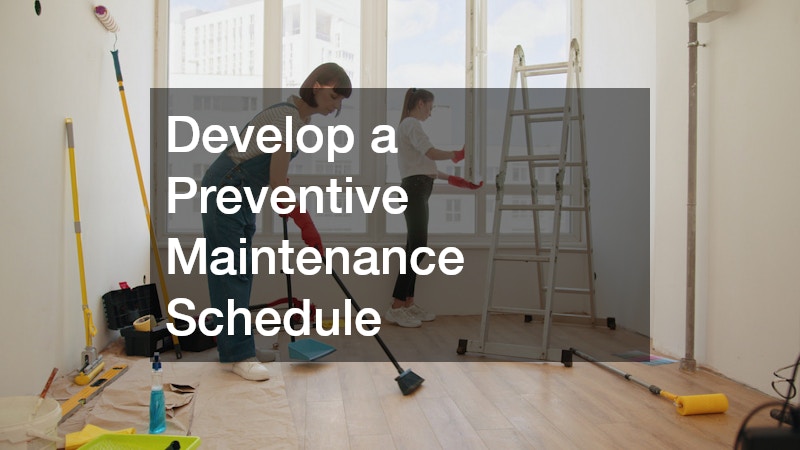
Creating a long-term maintenance plan ensures all home systems and structures function optimally. Regular inspections, timely repairs, and seasonal upkeep reduce emergencies and extend the life of your property. A well-documented schedule also helps property owners track costs, anticipate future needs, and plan for improvements strategically.
Steps for an Effective Maintenance Plan
- Develop seasonal checklists for windows, decks, pergolas, pools, landscaping, kitchens, roofs, and fences. Checklists should include both cosmetic and functional inspections.
- Schedule inspections and service appointments with trusted professionals, including roofing companies, pool contractors, and plumbing services, to maintain specialized systems.
- Keep detailed records of repairs, improvements, and warranties to reference for future upgrades or insurance claims.
- Adjust maintenance schedules based on usage, weather conditions, or expansions. For example, high-traffic deck areas may need more frequent sealing, and pool chemicals should be tested weekly during peak season.
- Budget for both routine care and unexpected repairs to avoid financial strain.
Using digital tools or home management apps can simplify scheduling and tracking, ensuring nothing is overlooked. Incorporating reminders, service logs, and expense tracking promotes accountability and helps maintain consistency. A structured preventive maintenance plan protects your investment, minimizes costly emergencies, and ensures your property remains functional, attractive, and safe year-round.
Conclusion
A well-maintained home or commercial property requires a comprehensive, proactive strategy that addresses both interior and exterior needs. From windows and kitchen upgrades to decks, pools, landscaping, and structural maintenance, a coordinated approach ensures efficiency, safety, and aesthetic appeal. By combining professional expertise, routine inspections, preventive care, and thoughtful upgrades, property owners can extend the lifespan of critical systems, enhance comfort, and maximize the value and enjoyment of their property. Implementing a strategic maintenance and improvement plan supports long-term functionality, protects investments, and creates a living space that is both beautiful and practical for years to come.




Post Comment